UTIs: What Is It, How to Know If You Have One & Treatment
In this guide
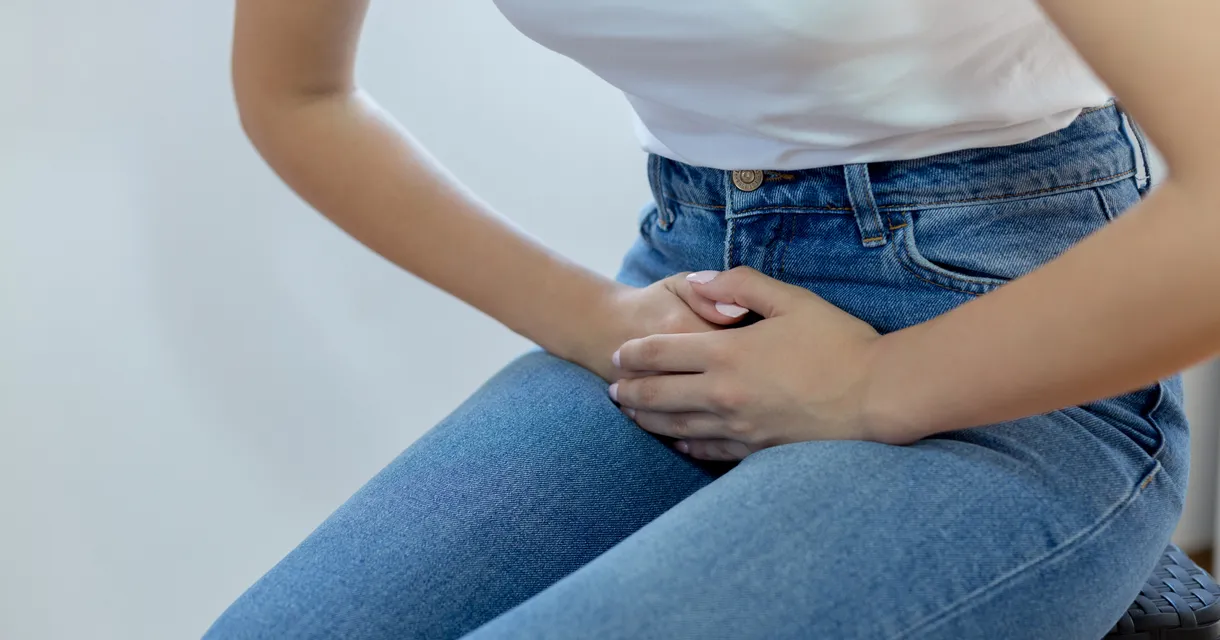
A urinary tract infection (UTI) is an infection affecting any part of the urinary system, including the bladder, urethra, or kidneys. UTIs are very common and can affect anyone, although they occur more frequently in women.
Knowing how to tell if you have a UTI, what may have caused it, and when symptoms need medical attention can help you get the right treatment and reduce the risk of complications.
Key Takeaways
- A UTI is usually caused by bacteria entering the urinary tract, often through the urethra.
- Common UTI symptoms include pain or burning when peeing, needing to pee more often or urgently, cloudy urine, and lower abdominal pain.
- UTIs can affect different parts of the urinary tract, including the urethra, bladder, and kidneys.
- Women are more likely to develop UTIs, but infections in men, children and during pregnancy require particular medical attention.
- Kidney pain, fever, shivering, vomiting, or rapidly worsening symptoms can indicate a more serious infection and require urgent medical advice.
What Is a UTI?
A urinary tract infection, commonly known as a UTI, occurs when microbes enter the urinary tract and cause an infection. Most UTIs are caused by bacteria, but fungi and viruses can also play a role in rare cases.
What Is the Urinary Tract?
The urinary tract is your body's system for producing, storing, and removing urine. It includes:
- Kidneys: They filter your blood and produce urine.
- Ureters: Two tubes that carry urine from the kidneys to the bladder.
- Bladder: It stores urine until you need to pee.
- Urethra: It carries urine from the bladder out of your body.
How Common Are UTIs?
UTIs are among the most common bacterial infections, particularly in women. To put their prevalence and impact into perspective, here are some key figures:
- Around 1 in 3 women will experience a UTI by the age of 24, while approximately half of women in the UK (50%) will have at least one during their lifetime.
- UTIs account for approximately 3% of all GP consultations and around 50% of antibiotic prescriptions.
- They are also responsible for more than 200,000 emergency hospital admissions each year, highlighting the considerable burden UTIs place on healthcare services.
What Are the Different Types of UTIs?
UTIs are generally classified as lower or upper UTIs, depending on which part of the urinary tract is affected.
Lower UTIs
Lower UTIs are the most common type of UTIs. They affect the bladder or urethra and include:
- Cystitis: An infection of the bladder and one of the most common types of UTI.
- Urethritis: Inflammation of the urethra, which can be caused by an infection.
Upper UTIs
Upper UTIs affect the kidneys and ureters. The main type is:
- Kidney infection (pyelonephritis): An infection affecting one or both kidneys, which can sometimes develop when bacteria spread upwards from the bladder.
Upper UTIs can be more serious than lower UTIs and require prompt medical attention.
How Long Does It Take for a UTI to Develop?
There is no single UTI incubation period that applies to everyone, but a common UTI usually takes about 2 days to develop. However, the incubation period varies.
Sex can sometimes trigger a UTI because sexual activity can move bacteria towards the urethra, but UTIs are not sexually transmitted infections (STIs).
What Causes a UTI?
UTIs are usually caused when bacteria (such as E. coli) from poo enter the urinary tract through the urethra.
The body often removes bacteria naturally when you pee, but sometimes they remain and multiply, causing an infection. Women are more susceptible because their urethra is shorter (and closer to the anus), meaning bacteria have a shorter distance to travel to reach the bladder.
Risk Factors for UTIs
Anyone can develop a UTI, but certain factors increase the risk. These include:
- Being sexually active
- Pregnancy
- Having been through menopause
- Not drinking enough fluids
- Having difficulty fully emptying your bladder
- Urinary tract blockages, such as kidney stones
- An enlarged prostate (in men)
- Using a urinary catheter
- Having a weakened immune system
- Poorly controlled diabetes
- Using spermicide with contraception
- Having had UTIs previously
Men experiencing urinary symptoms may also find our guide to common bladder problems in men helpful.
How Do You Know If You Have a UTI? Symptoms & Signs
The UTI symptoms can vary depending on which part of the urinary tract is affected. Lower UTIs usually cause symptoms related to peeing and the bladder, while an upper UTI can cause additional symptoms as the infection affects the kidneys.
Lower UTI Symptoms
- Pain or a burning sensation when peeing
- Needing to pee more frequently than usual
- Needing to pee suddenly or urgently
- Waking more frequently during the night to pee
- Cloudy urine
- Blood in your urine
- Lower abdominal pain
- Feeling tired or weak
Dark or strong-smelling urine on its own does not necessarily mean you have a UTI and may simply be a sign that you are not drinking enough water.
Upper UTI Symptoms
An upper UTI, such as a kidney infection, can cause some of the symptoms above alongside:
- Pain in your back or side, particularly just below the ribs (kidney or flank pain)
- Pain in the penis
- Pain during sex
- A high temperature or feeling hot and shivery
- Feeling sick or being sick
- Diarrhoea
- Feeling generally unwell
How Are UTIs Diagnosed?
A healthcare professional will consider your symptoms, medical history, and individual risk factors when assessing whether you have a UTI. Depending on your circumstances, diagnosis may involve:
- Checking your symptoms: Symptoms such as pain or burning when peeing, needing to pee more often, and cloudy urine can help determine how likely a UTI is.
- Reviewing your medical history and risk factors: Your age, sex, pregnancy, previous UTIs, and other health conditions can affect how a suspected UTI is assessed.
- Urine dipstick testing: A urine sample may be tested for signs that make a UTI more or less likely, although a urine test is not always necessary.
- Urine culture: In some cases, a urine sample may be sent to a laboratory to identify the bacteria causing the infection and help determine which antibiotics may be suitable.
The approach to diagnosis can differ for men, people aged 65 or over, pregnant women, and people with urinary catheters. For this reason, a positive home urine test alone should not be treated as a definitive UTI diagnosis.
UTI Risks During Pregnancy
Pregnancy increases the risk of developing a UTI because hormonal and physical changes can affect how urine moves through the urinary tract.
If you are pregnant and think you may have a UTI, seek medical advice promptly. UTIs during pregnancy need appropriate assessment and treatment rather than relying on home remedies.
Pregnancy can cause other changes to bladder control, too. Our guide explains more about incontinence during and after pregnancy.
How Are UTIs Treated?
Antibiotics are the main treatment for UTIs when medication is needed, although not every UTI requires them straight away. Treatment depends on your symptoms, medical history and risk of complications. A healthcare professional may recommend:
- A short course of antibiotics: This is the main treatment for a bacterial UTI when antibiotics are considered necessary. The type of antibiotic and length of treatment will depend on your individual circumstances.
- Self-care and pain relief: You may be advised to rest, drink enough fluids and take a suitable painkiller to help manage discomfort while you recover.
- Delayed antibiotics: In some cases, you may be advised to wait for up to 48 hours before starting antibiotics to see whether your symptoms improve on their own.
Pharmacist tip: If you are prescribed UTI antibiotics, always take them exactly as directed and complete the prescribed course, even if your symptoms begin to improve.
How Are Recurrent UTIs Treated?
If you have 2 UTIs within 6 months or 3 within 12 months, this is considered a recurrent UTI, and you should speak to your GP. Depending on your circumstances, treatment may include:
- A different antibiotic or, in some cases, a low-dose antibiotic taken over a longer period to help prevent further infections.
- Vaginal oestrogen, such as a cream, gel, tablet, pessary, or ring, for some people who are in perimenopause or have been through the menopause.
- Other prescription medicines that may help treat or prevent recurrent UTIs when appropriate.
- Referral to a specialist if further tests are needed to investigate why the infections keep returning.
What Can You Do at Home to Manage and Prevent UTIs?
Alongside any treatment recommended by a healthcare professional, there are simple steps you can take to manage UTI symptoms and potentially reduce your risk of another infection:
- Drink enough fluids: Aim to drink enough water to pass pale urine regularly throughout the day.
- Do not hold in your pee: Go to the toilet when you need to and take enough time to empty your bladder fully.
- Manage pain and fever: Paracetamol may help with pain or a high temperature if it is suitable for you.
- Avoid potential bladder irritants: Drinks such as coffee, alcohol, and fruit juice may irritate the bladder while you have symptoms.
- Practise good toilet hygiene: Wipe from front to back after going to the toilet and keep the genital area clean and dry.
- Pee after sex: Urinating as soon as possible after sex may help reduce the risk of bacteria entering and remaining in the urinary tract.
- Avoid irritating products: Do not use scented soaps around the genital area.
- Change soiled products promptly: Regularly change nappies or incontinence products to help keep the area clean and dry.
When Should You Seek Medical Help for a UTI?
Seek urgent GP advice or contact NHS 111 if you suspect a UTI and you:
- Are pregnant
- Are a man
- Are aged 65 or over
- Have diabetes or a weakened immune system
- Use a urinary catheter
- Have blood in your urine
- Have pain in your lower abdomen or back below the ribs
- Have a very high or low temperature or are shivering
- Have symptoms that worsen quickly or do not improve within 48 hours of starting treatment
- Keep getting UTIs – generally 2 within 6 months or 3 within 12 months
Get Help With UTI Symptoms
UTIs are common and usually straightforward to treat, but symptoms involving fever, kidney pain, or feeling very unwell should be taken seriously. Getting the right assessment can help identify the infection and reduce the risk of it spreading.
For professional support with UTI symptoms, Weldricks Pharmacy offers convenient assessment and appropriate UTI treatment through our Pharmacy First service.
FAQs
Does a UTI go away on its own?
Some mild UTIs may improve without antibiotics, but leaving a UTI untreated carries risks, such as the infection spreading to the kidneys and becoming more serious.
Certain people, including pregnant women and men, should seek medical advice rather than wait for symptoms to clear. When treatment is needed, a short course of antibiotics is the main and most commonly used treatment for a bacterial UTI.
What can be mistaken for a UTI?
Several conditions can cause UTI-like symptoms, including:
- Thrush
- Kidney stones
- Prostatitis
- Vaginal or urethral irritation
- Some sexually transmitted infections
Can you have a UTI without knowing it?
Yes, it is possible to have bacteria in your urine without UTI symptoms, known as asymptomatic bacteriuria. This generally does not require antibiotic treatment in non-pregnant adults. Pregnancy is an important exception because screening and treatment may be required.
Is cystitis the same as a UTI?
Cystitis is a type of UTI affecting the bladder. UTI is the broader term because infections can also affect other parts of the urinary system, including the urethra and kidneys. This means you can have a UTI without having cystitis specifically.
Can sex cause a UTI?
Sex does not directly “give” you a UTI, but sexual activity can move bacteria towards the urethra, making infection more likely in some people. UTIs are not classed as sexually transmitted infections. Peeing soon after sex is one of the measures recommended to help reduce UTI risk.
Published 27th July 2022 by

Richard Hackett
Director of Pharmacy Service
My first role in Weldricks was as a Saturday assistant before starting at Bradford University, where I obtained a Master of Pharmacy Degree and qualified as a Pharmacist in 2005.
I started my career as a Pharmacist as the manager of our Swinton branch, before moving between several branches and completing a Clinical post-graduate diploma from Keele University in 2010. After re-joining the company in 2019, I’ve held a number of field and central roles before moving into my current position in 2025. I am responsible for the safe and effective running of our Pharmacy Network, working with all different functions to make this happen.
Related Products
-
U-Test UTI Test Kit £5.49 save £4.50
-
Suresign Urinary Tract Infection Test Strips Pack of 3 £3.29 save £1.20
-
TestCard Urinary Tract Infection Kit Pack of 2 £12.99 -
Valupak Cranberry 2000mg Tablets Pack of 30 £1.79 save £0.27
-
Cystopurin Cranberry Flavoured Granules 3g Pack of 6 £6.79 save £2.20
-
Vitabiotics Ultra Cranberry Tablets Pack of 30 £5.99 save £2.46
-
Thrush Relief Capsule Fluconazole Pack of 1 £1.99 -
Cystitis Relief Sachets Pack of 6 £2.19